
The so-called high networth individual portion saw 620x more demand than shares on offer.

In rupee terms, India's market cap is currently about Rs 184 trillion - 90 per cent of the GDP of Rs 203 trillion for FY20 at current prices.

'Investors should put their money in stocks where the margin of safety is high.'

Through the IPO, Burger King has raised Rs 450 crore, which will be used to rollout new outlets and retire debt.
Shares of all the 14 companies are currently trading above their issue price.

Experts said banking is a play on the economy and the latest buying into this space is underpinned by hopes of a sharper-than-expected recovery in the economy.
Last week, govt sold shares worth Rs 220 crore in the open market without making a formal announcement. The deal came to light only this week.

Assuming that the value of LIC's holding has risen in line with the markets, its portfolio size today could be around $86 billion, higher than the previous record of $84 billion in March 2018.
The total default is said to be in excess of Rs 3,000 crore - making this the largest default by a broker.
Maximum promoter holding to be eligible for reclassification to be raised from 10% to 15%; waiting time to be brought down to one month from three.

Gland Pharma, promoted by China's Fosun, has extended its gains, is up 40 per cent since its listing.

The brokerage believes the economic growth cycle is not fully priced in. It has revised upwards the earnings per share (EPS) estimate for Sensex.
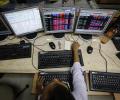
The move will increase working capital requirement for brokers, raise the work load on the system and will leave little room for contingencies.

Sebi has said investment banks should direct investors to original sources such as stock exchanges, where data is publicly available.
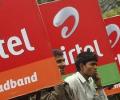
While Airtel has hiked the limit to 100 per cent in principle, the company needs to address some issues on overseas investment limits in subsidiaries, before the changes come into effect. Until then, the cap on foreign ownership will remain at 49 per cent under the automatic route.

More cos could join the likes of Burger King and Antony Waste in giving listing another shot.

Rakesh Jhunjhunwala has picked up a 1.29 per cent stake in Tata Motors. The September quarter shareholding pattern disclosed by the automaker showed Jhunjhunwala holding 40 million shares.

The markets regulator, Securities and Exchange Board of India (Sebi), recently introduced fresh guidelines to determine the place of a mutual fund (MF) on its riskometer tool.

The NSE held 25 to 100 per cent stakes in these entities through its subsidiary NSE Investments as of September.

T'I am not going to buy small- or mid-cap stocks at very high valuations if it doesn't make sense for the investors.'
